
Industry
Industrial Heritage
The massive machines and iron determination that powered Alaska's gold rush, oil boom, timber industry, and construction era.
Gold Rush Era
The Klondike Gold Rush of 1898 transformed Alaska and the Yukon almost overnight, drawing tens of thousands of prospectors into one of the harshest environments on Earth. The industrial machinery that followed — dredges, stamp mills, sluice systems, and hydraulic equipment — reshaped entire river valleys in the pursuit of gold.
Gold, coal, and copper began Alaska's mineral wealth and drove waves of migration, infrastructure, and conflict. Our mining exhibit showcases the hand tools, drill rigs, ore carts, and processing equipment that powered historic booms and small-scale operations. Visitors can explore the ingenuity behind these devices and learn how miners adapted to permafrost, isolation, and dangerous conditions to pull value from the Earth.
Oil & Pipeline
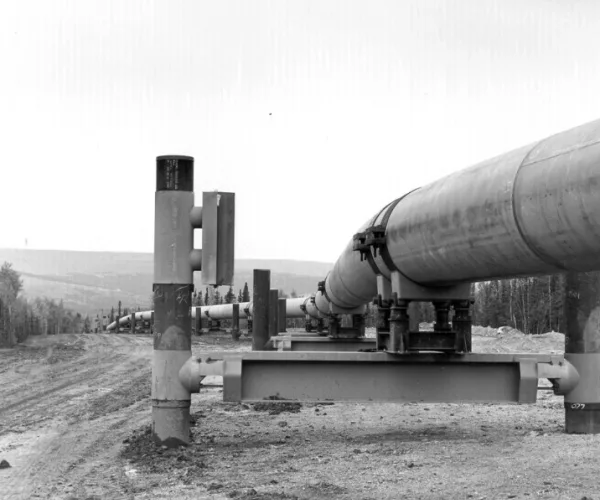
The discovery of oil at Prudhoe Bay in 1968 triggered the largest private construction project in American history — the Trans-Alaska Pipeline. Stretching 800 miles from the Arctic Ocean to the port of Valdez, the pipeline required engineering solutions that had never been attempted at that scale or in those conditions.
The oil industry documents the full arc of Alaska's petroleum era, from early exploration drilling to the construction of the pipeline and the infrastructure that supports it today. Drilling equipment, pipeline sections, and construction machinery are displayed in our extensive exhibit.
Timber & Logging
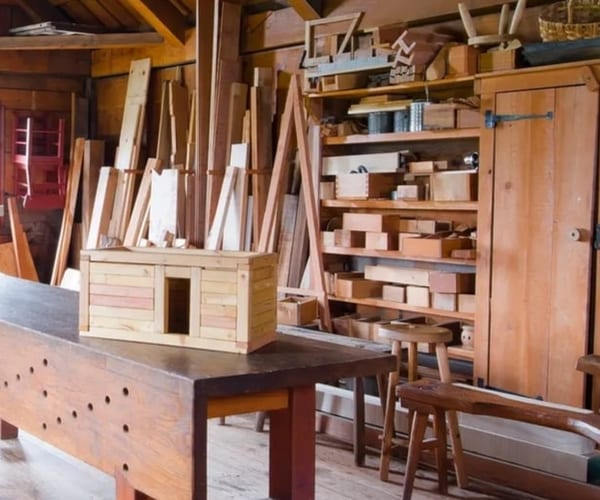
Alaska's forests — particularly the vast Tongass National Forest in Southeast Alaska — supported a significant timber industry through much of the 20th century. Sawmills, logging camps, and pulp mills employed thousands of Alaskans and supplied lumber and paper products to markets across the Pacific.
Our timber collection includes antique chainsaws, winches, and sawmill components - many of which were repurposed or handmade by local loggers. These tools reflect not just labor, but resilience and creativity in the face of isolation.
Farming & Homesteading
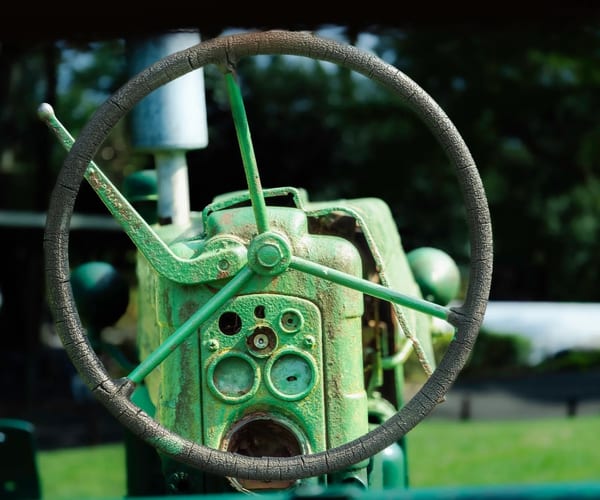
Though Alaska is known for its wilderness, agriculture has deep roots here. Our collection features tractors, plows, seed drills, and dairy tools used by early settlers in the Mat-Su Valley and beyond. These machines helped families cultivated land, raised livestock, and build a life in places where the growing season was short - but the determination was endless.
Many of the artifacts in the Industrial Heritage Collection were donated by families, veterans, and working Alaskans who saw the value in preserving their tools and stories. Some pieces are on loan from federal or military agencies, while others were recovered from abandoned sites and given new life. As we continue to restore and expand the exhibit, we invite you to see the collection grow, or donate your pieces to give a new life to something that won't be forgotten.
Plan Your Visit
The Industrial Heritage exhibit spans indoor galleries and several open-air acres. Wear comfortable shoes.